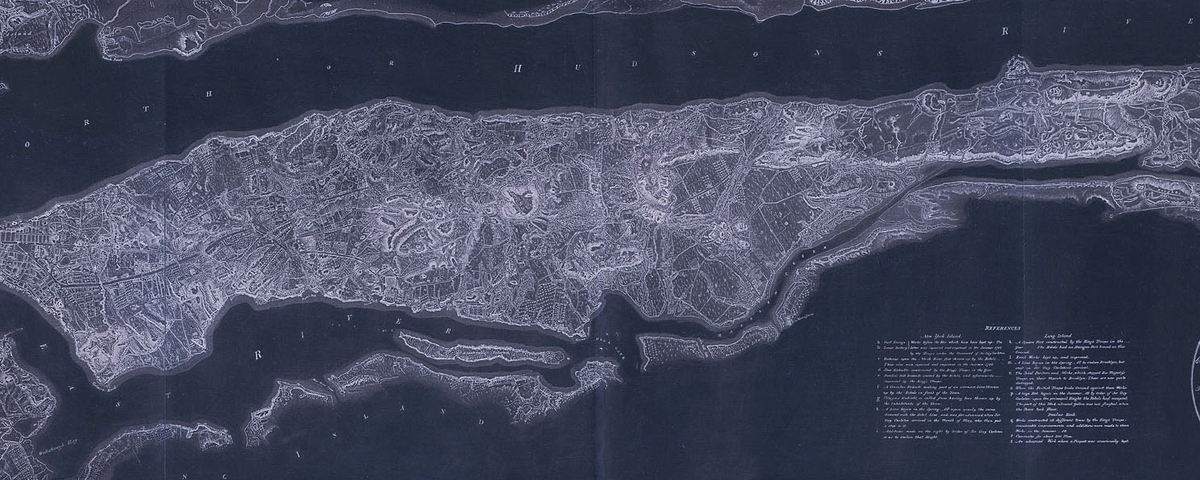
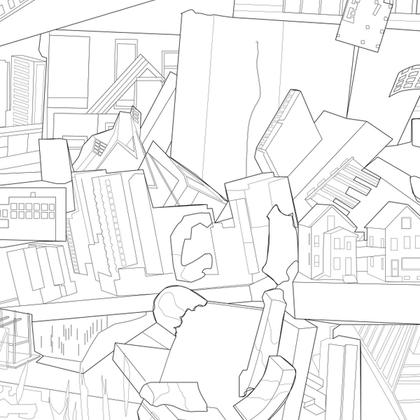
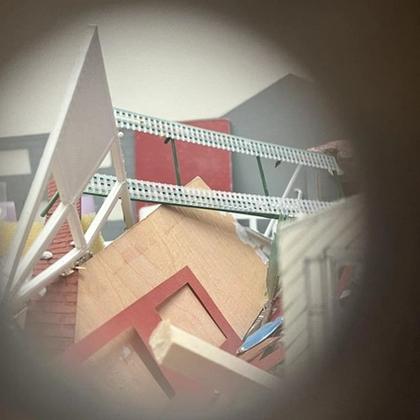
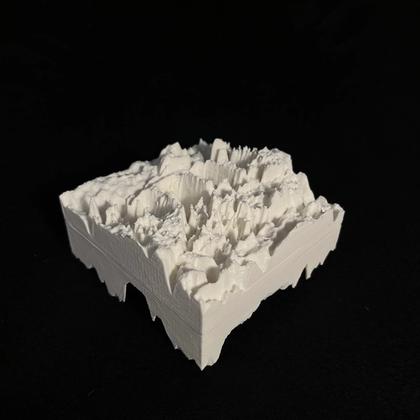
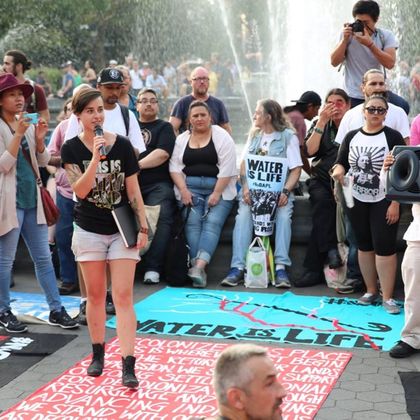
New York Under Water, chapter, 2026. In Take Back the Land book (forthcoming)
Protest Fields, foreword, 2026. For Sanie Irsay’s publication on domestic protest architecture in occupied Crimea (forthcoming)
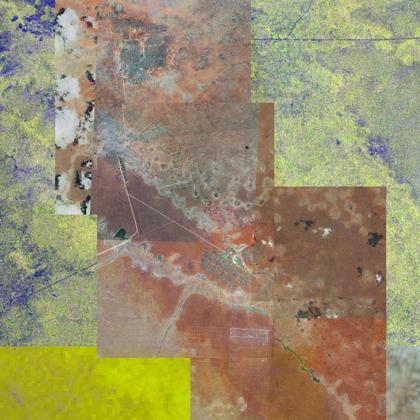
Dadaab Commons, artist residency, exhibition, 2025. Mapping and projection in exhibition curated by Anooradha Iyer Siddiqi in Nairobi ↗
San Diego Museum of Art Accessibility Study, report, 2024. Site survey, research, community engagement with JSA/MIXdesign and Foster+Partners
WashU Accessibility Study, report, 2024. Site survey, research, engagement with JSA/MIXdesign
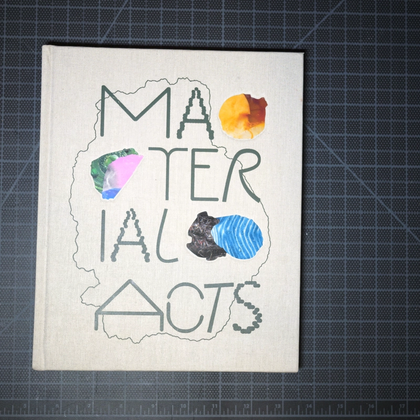
Material Acts, chapter, 2024. "Stitching: Future Fabrication and Traditions of Reuse" in the exhibition book Material Acts: Experimentation in Architecture and Design ↗
Making Inclusive Museums Now, report, 2024. Community engagement, workshops, research, design contributions to report by JSA/MIXdesign and the Architectural League of New York. ↗
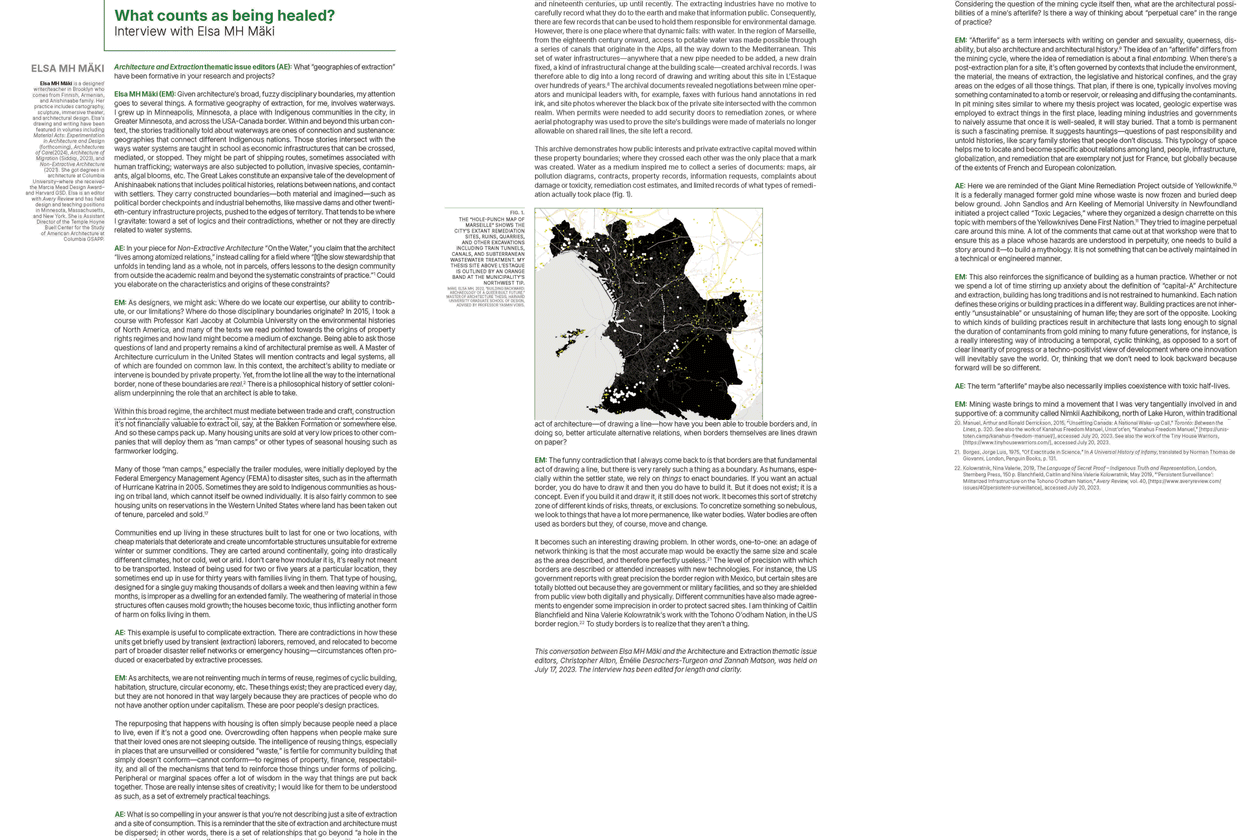
Architecture and Extraction, interview, 2024. In JSSAC special edition on architecture and extraction ↗
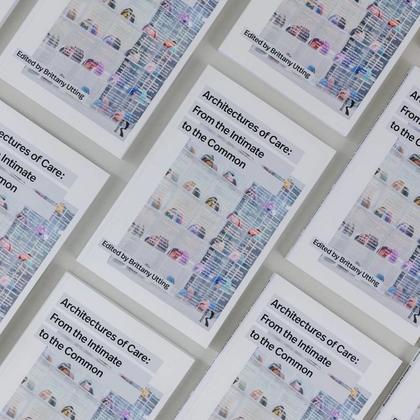
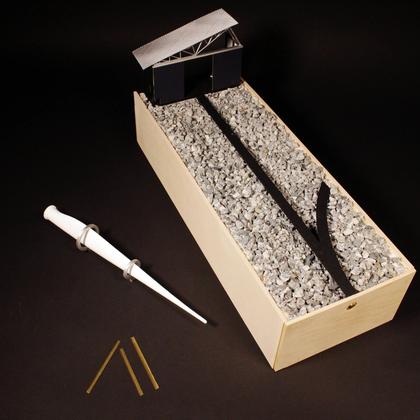
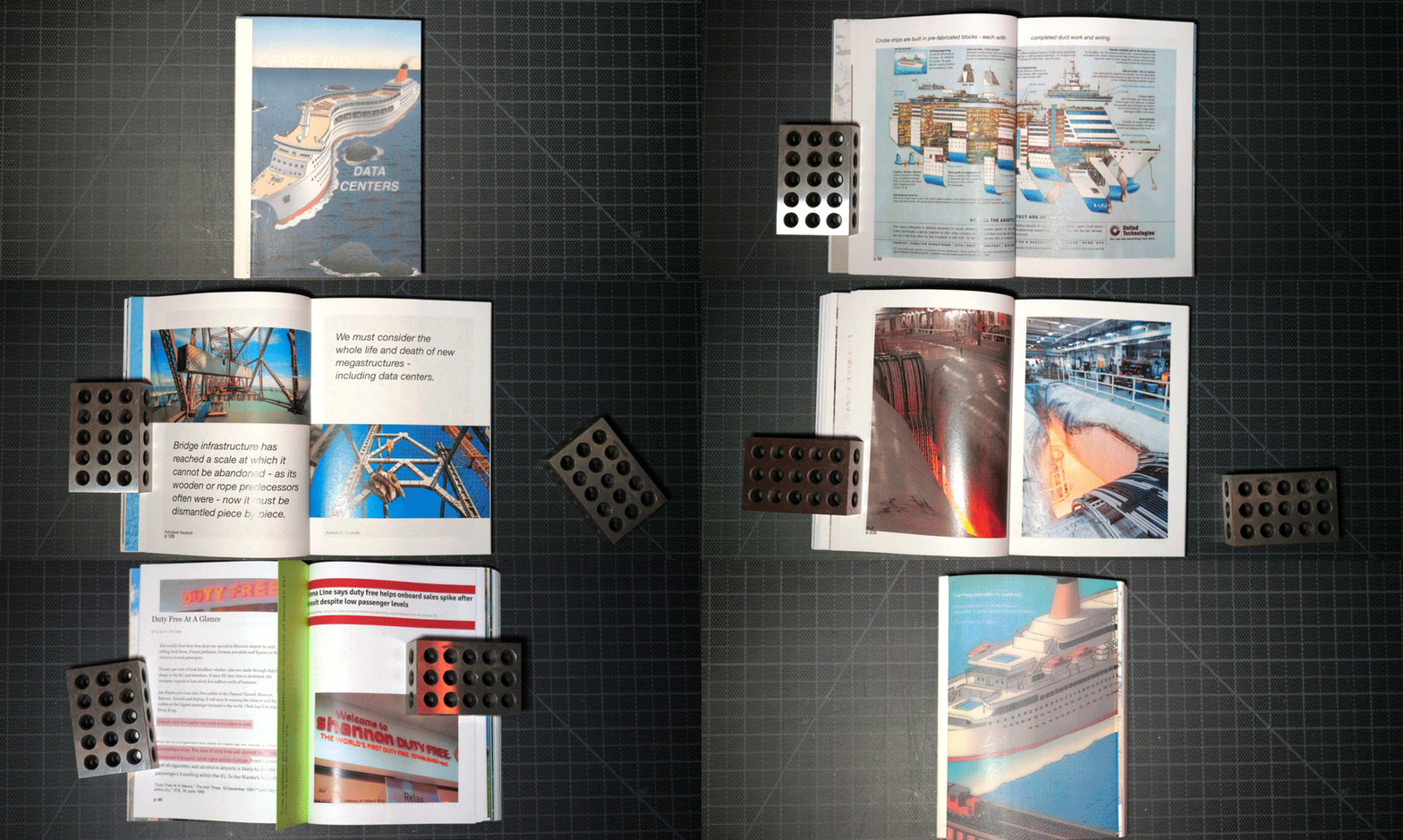
Architectures of Care, chapter, 2023. "Propping Up the Cloud" in volume edited by Brittany Utting ↗
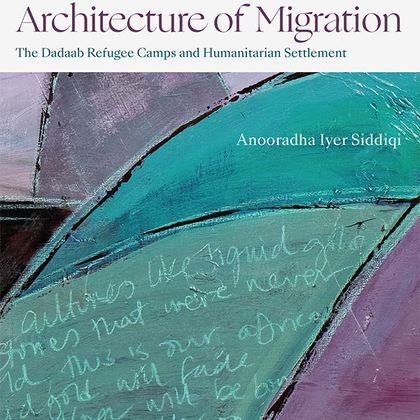
Architecture of Migration, illustration, 2023. in Anooradha Iyer Siddiqi's book ↗
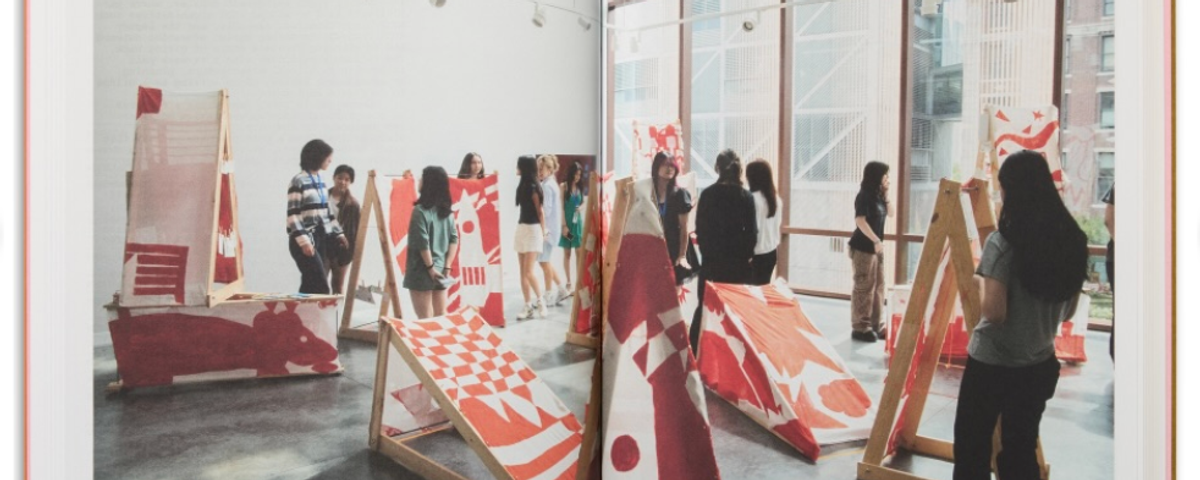
Jr. Architects, feature, 2023–2024. In Junior Architects: New Paradigms in Design Education ↗
Shinohara's Mushrooms, feature, 2022. Essay included in Women Writing Architecture series ↗
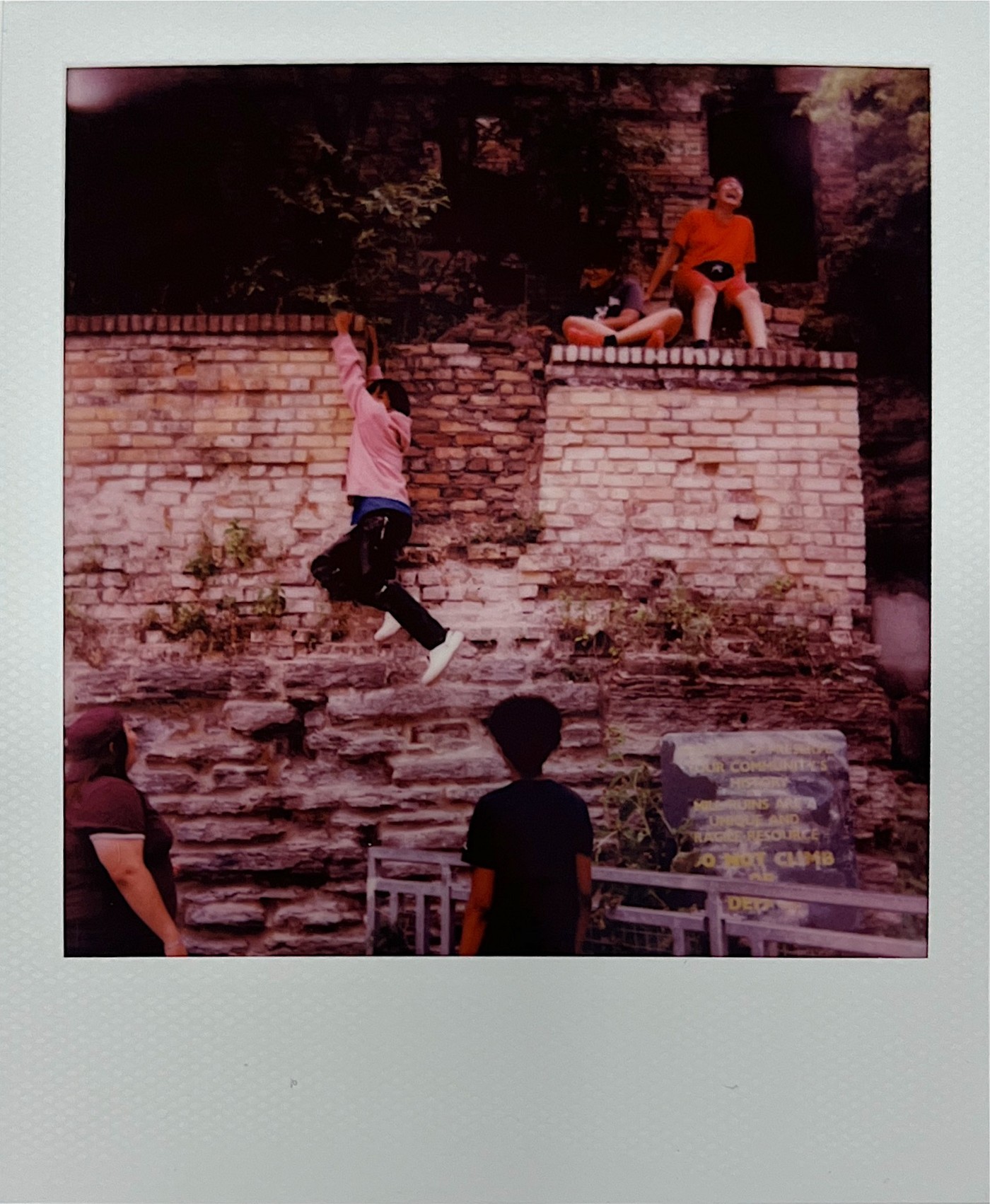
Falls Restoration, report, 2022. Contributions on design planning and community engagement prepared with Interboro Partners for Owámniyomni Okhódayapi, US Army Corps, Minneapolis Parks & Recreation, City of Minneapolis ↗
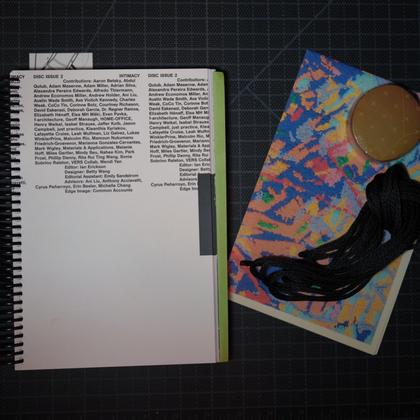
Disc Journal, illustration, 2022. “On the Hunt” with Ani Liu
Building Backward, thesis, 2022. "Building Backward: Archaeology of a Queer Built Future" ↗
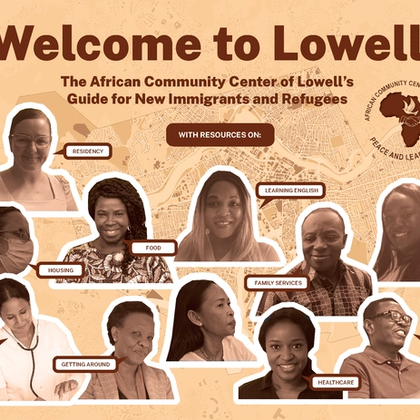
African Community Center of Lowell, report, 2022. Community engagement, research contributions to report by Interboro Partners ↗
The World Around: Land in Focus Foreword, foreword, 2021. For video series by Beatrice Galilee and Satomi Blair ↗
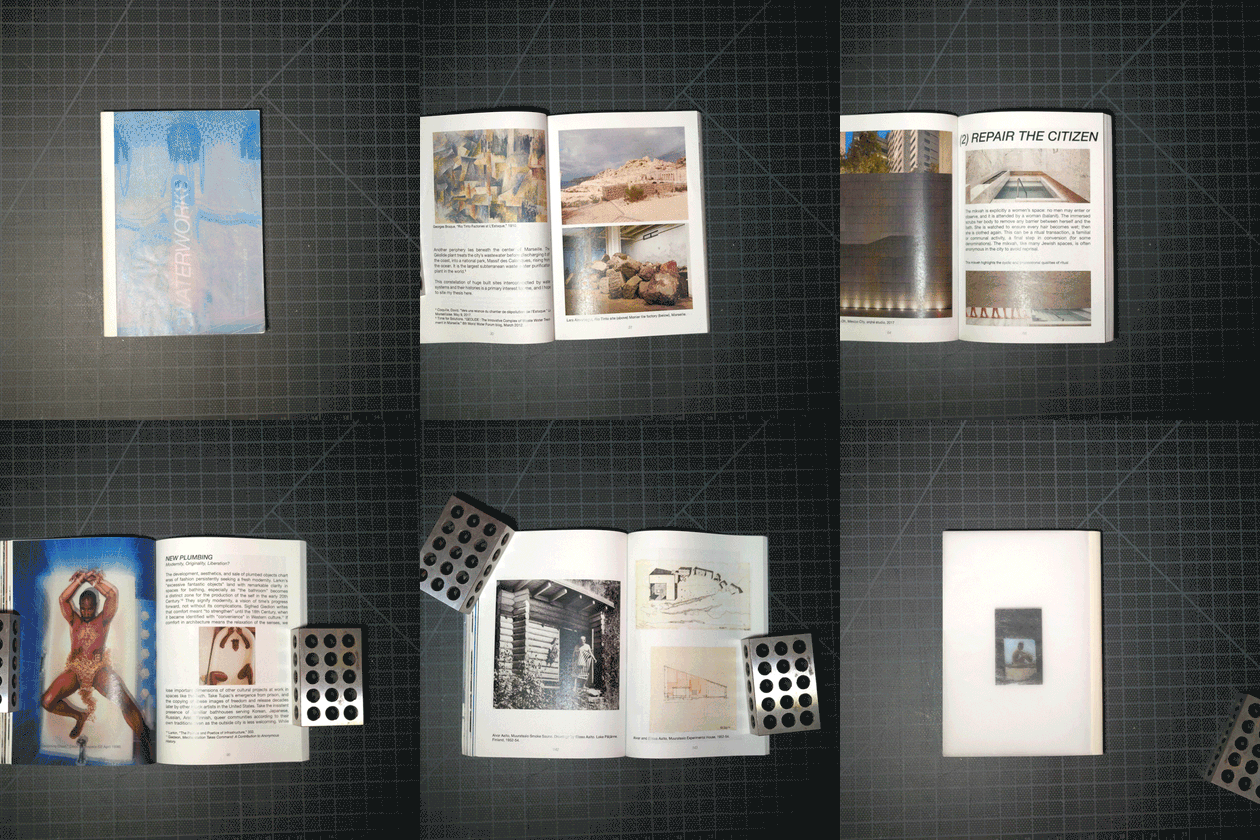
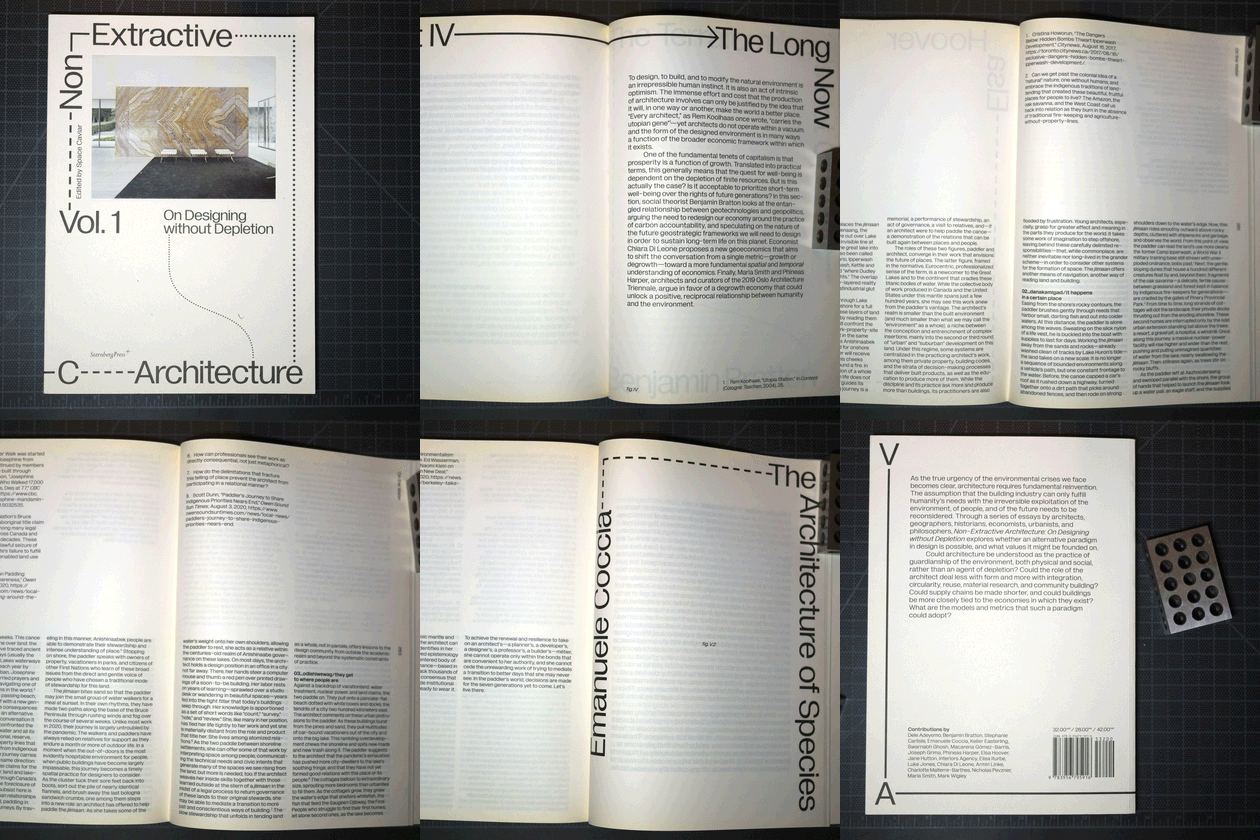
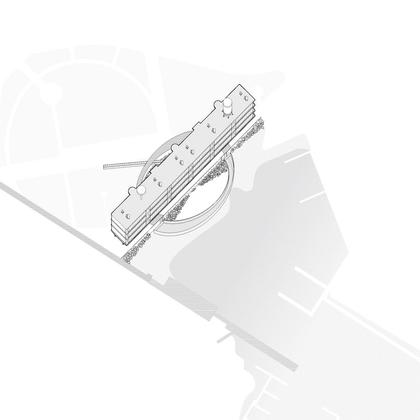
Non-Extractive Architecture, chapter, 2021. "On the Water" in Non-Extractive Architecture ↗
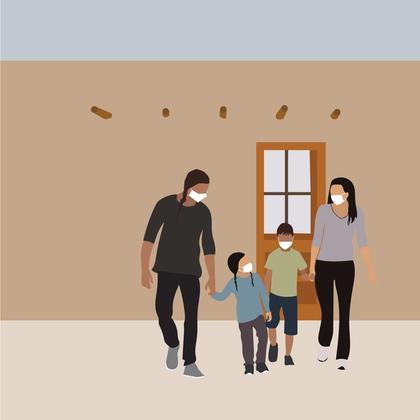
Healthy Housing for Native Communities, report, 2020. In series The Role of Architecture in Fighting COVID-19 by MASS Design Group ↗
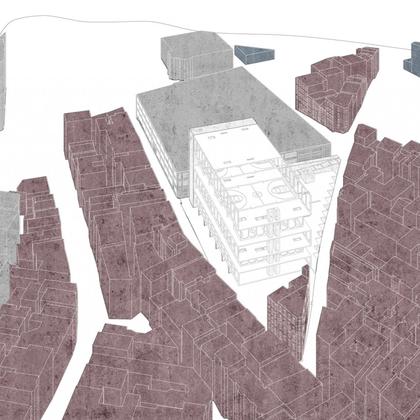
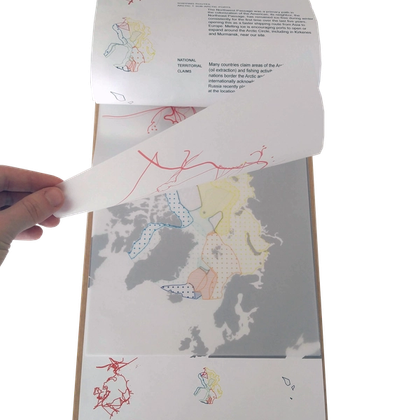
Settler City Limits, illustration, 2019. 2 maps in "Anti-Indian Common Sense" by Nick Estes
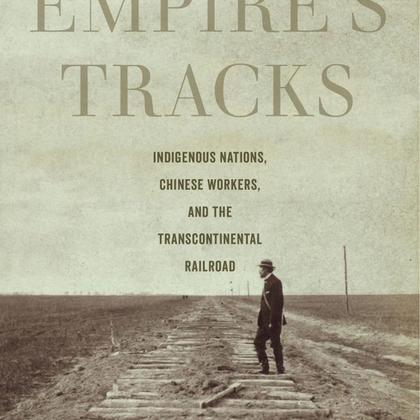
Empire's Tracks, illustration, 2019. 10 maps for book by Manu Karuka ↗
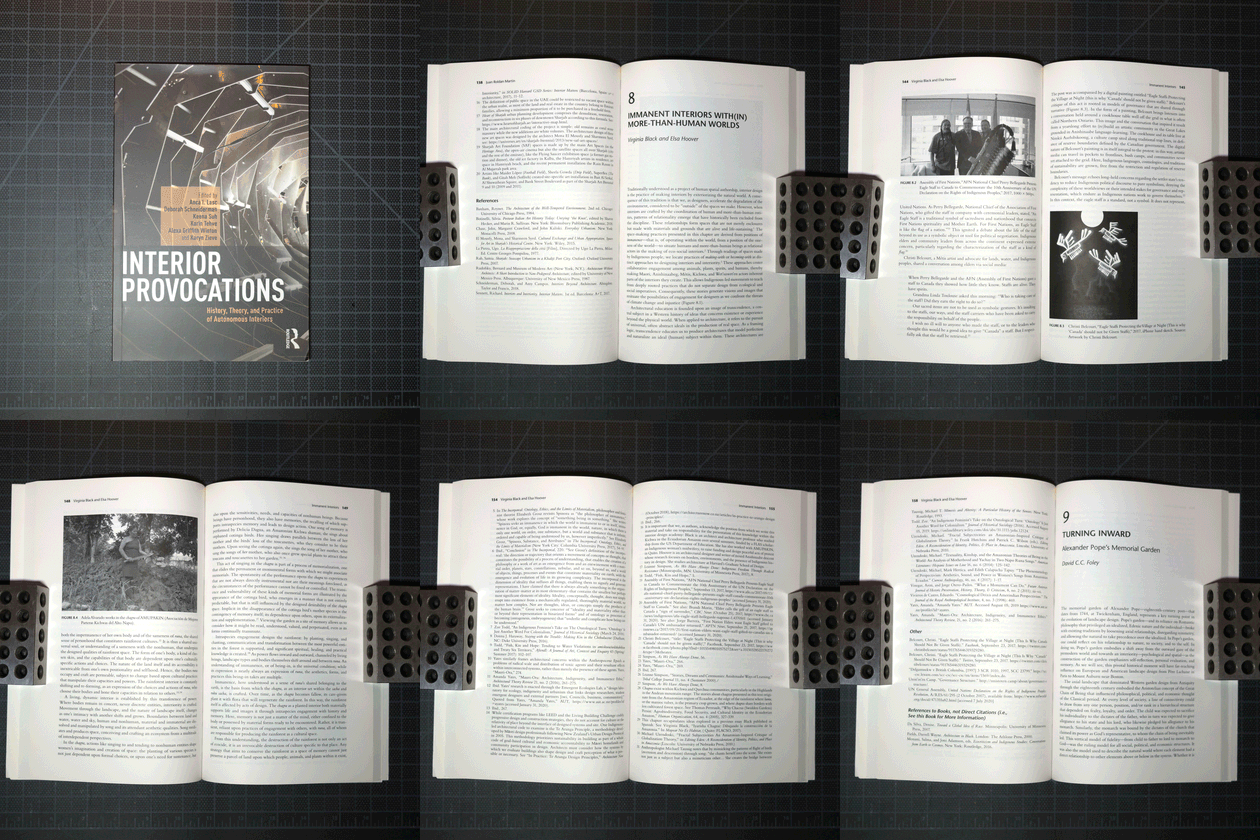
Interior Provocations, chapter, 2018. Co-authored with Virginia Black ↗
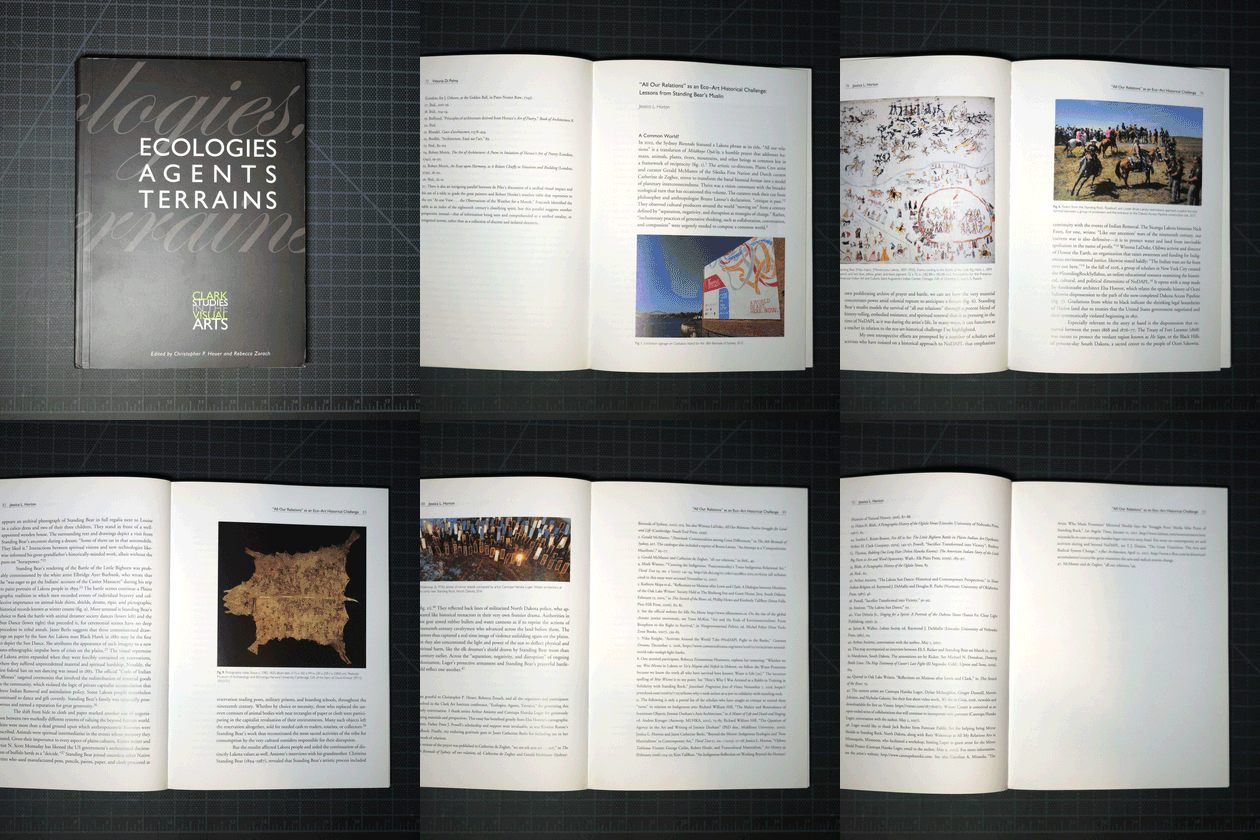
Ecologies, Agents, Terrains, illustration, 2018. In "'All Our Relations' as an Eco-Art Historical Challenge" by Jessica Horton ↗
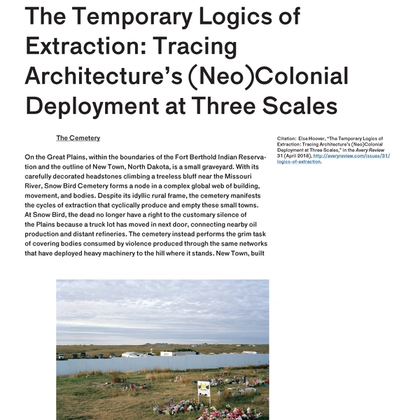
Temporary Logics of Extraction, essay, 2017. In Avery Review 31
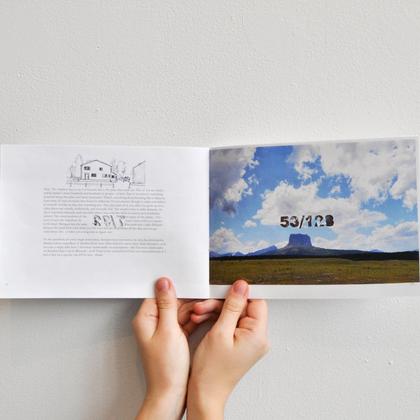
Bloodless, feature, 2017. 4 illustrated booklets in The Funambulist 20. ↗
Standing Rock Syllabus, report, 2016. Open syllabus project, illustration, and community organizing
Resources for an Urban World, exhibition, book, 2016. Curated by Gizem Karagoz and Elsa MH Mäki, exhibition book edited by Gizem Karagoz